-
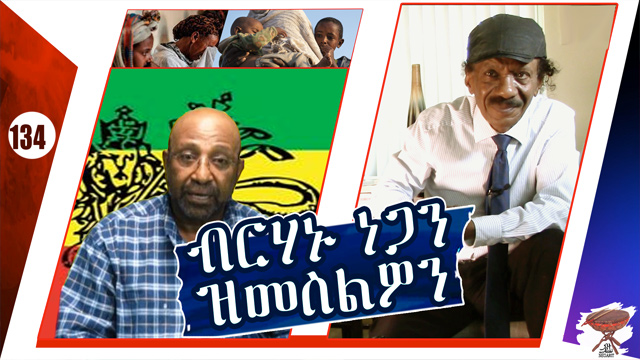
Dr. Berhanu Nega and His Allies
When I heard people calling the workers at a coffee chain, I cringed. It took me some time to get used to the job title ‘Barista’; It was a cultural shock because where I came from, barista (usually women who work at bars), is not considered a respectable job. It took me a while to…
-
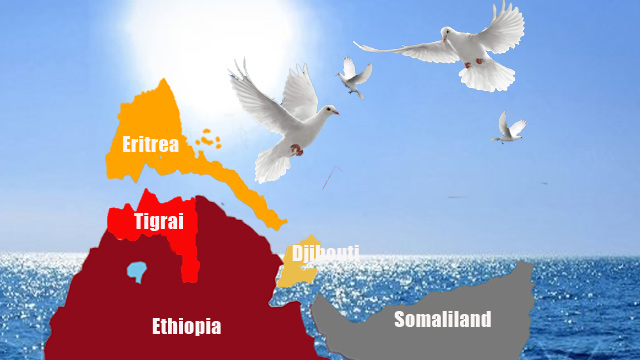
Discourse on Eritrea-Tigray Through Personal Praxis
[Editor’s note: Reflections is Beyan Negash’s new column. He selected, edited and presents the following article written by Said on the Awate Forum.] Intro: For decades our region suffered exceptionally, a grim reality. Those who write simply as an expression of fierce resistance to all kinds of tyrannies related to the Horn of Africa do…
-
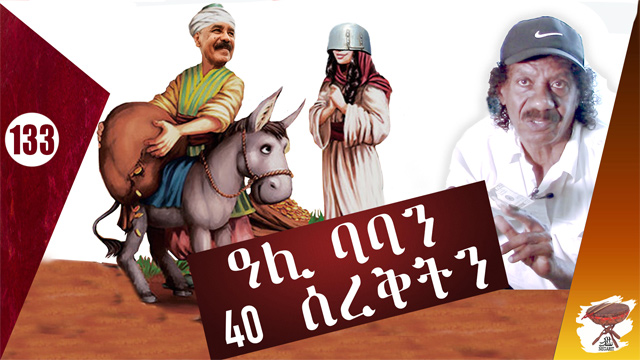
1,001 Arabian, 11,000 Eritrean Nights
1001 Nights is a literary work from the Golden Ages where Shahrazad every night tells a story to the Sultan Shahryar, over 1001 nights. Remember, since 1991, Eritreans have gone through 11,000 nights of horrible experience that we have yet to narrate in a timeless literary manner, maybe we could call it 11000 nights. In…
-
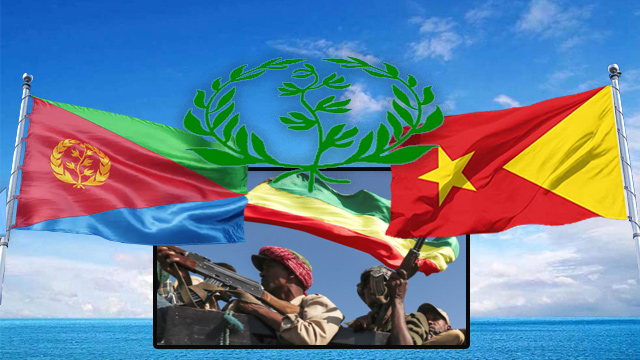
Undercurrents of the Eritrean-Tigrai Relation
The contemporary sociopolitical history of Ethiopia, Tigray, and Eritrea is informed by two undercurrents that appear to impact these tripartite entities devastatingly as each attempt to outmaneuver the other in that elusive race toward political hegemonic prominence. Chose to use a recent Tigrinya song that captures the foolishness of the war(s), interspersing it within the…
-
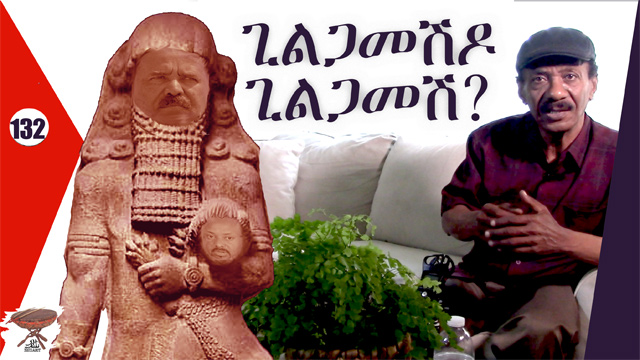
Gilgamesh or Gilgamesh?
Hormuz Rassam was well known in Europe after he made important archeological discoveries in Iraq between 1877-1882. He found the Nimrod collection, the Hanging Garden of Babylon, the Palace of Nebuchadnezzar, and the clay tablets in which the Epic of Gilgamesh was curved in cuneiform—the oldest written story. Then he became a diplomat and eventually…
-
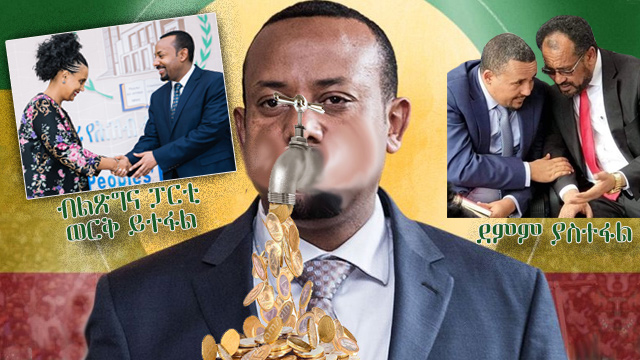
Jailers and Jailed
Freedom of Expression Forum in Oslo About a decade ago I attended the exquisite Freedom of Expression Forum in Oslo, Norway, where many dignitaries and activists from around the world flocked. As a skeptic, I observed the activities of the event critically—blame it on my experience with political NGOs operating in the Third World. But…
-
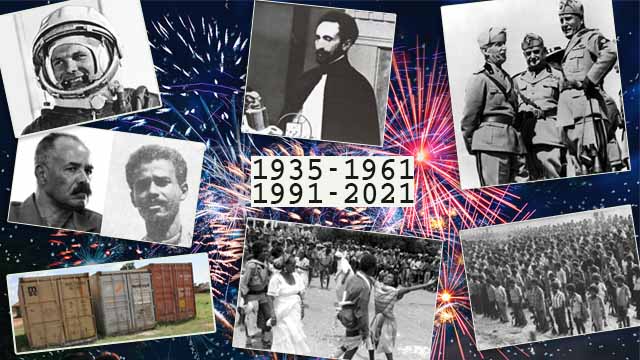
Eritrea’s Bittersweet Memory of A 30-Year Struggle
Eritrea has bittersweet memory of a 30-year struggle that was eked out by the botched 30-years of Governance. In 1935, little did Italy know that its decision to invade Ethiopia would lead to a World War II. Little did Italy know, too, that the Eritrean Askaris it hired to do the invasion of Ethiopia would also abandon…
-
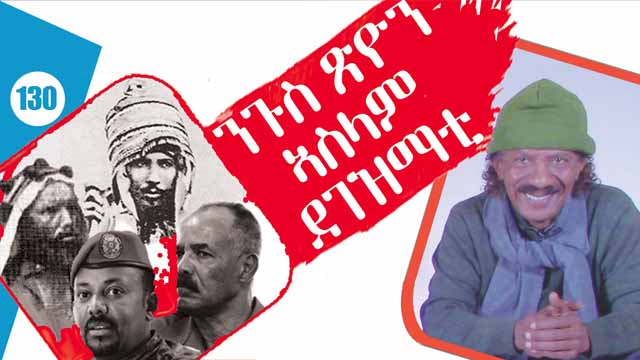
Tsion King and The Degezmati Muslims
Until the 7th century, Abyssinia flourished under the Axumite Kingdom which replaced other kingdoms including Damot Belew, and others. It had good relations with the regional kingdoms as well as with the Romans, Persians, Indians. Then it collapsed. Abyssinian presence in the Arabian Peninsula was so visible and the two cultures saw times of peace…
-
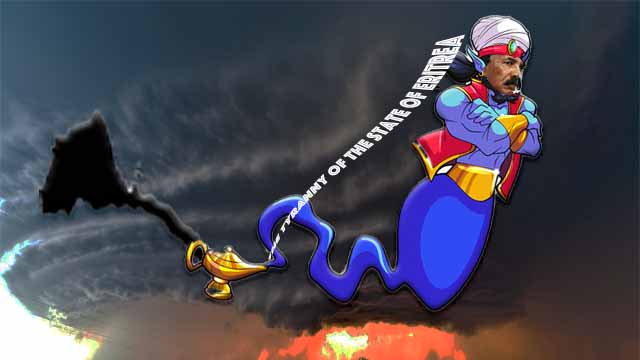
Eritrea: It is left to us!
Seasonal river In words worth describing the on/off modes of our Eritrean opposition activities in its quest for justice, the narrator of the short story “The Great Wall of China” by the 20th-century novelist Franz Kafka says describing his times: “Consider rather the river in spring. It rises until it grows mightier and nourishes more…
-
Eritreans’ Hopefulness & Tigrayans’ Romanticizing HiwHat (ምቁንጃው ህውሓት)
[Correction: we apologize for the technical mistake on the wrong Byline, it’s not Awate Team. The author is actually Beyan Negash/The Editor] “In the long vista of the years to roll, Let me not see our country’s honour fade: O let me see our land retain her soul, Her pride, her freedom; and not freedom’s shade. From…
-
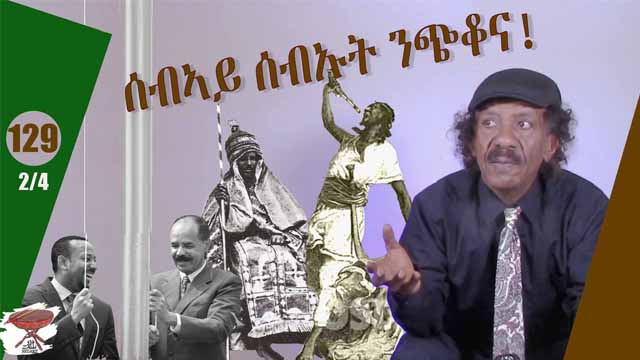
Negarit 129: Wise leaders Build, Machos Destroy
In today’s Negarit 129, I will tell you some additional information about Tedros and Kassa Mirach. For instance, not many know about the differences in the Abyssinian church in the time of Yohannes: Karra Haymanot, Sgga, and Qebaat. Here are ten additional bits of information. After the battle of Magdala some British soldiers returning home…
-
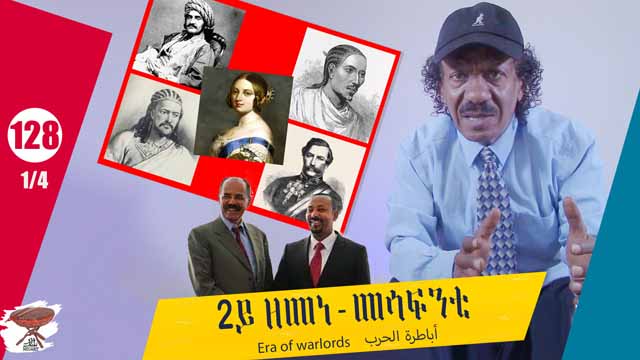
The Second Era of The Princes
This is part 1 of a series of four episodes of summarized history of the era in which Atzie Tedros, Queen Victoria, King Yohannes IV, Ambassador Hurmuz Rassam, General Napier, Ras Alula, King Menelik II, and King Umberto of Italy were the main actors. Part 1 is about King Tedros, and Napier and Rassam, the Discoverer…
-

Government in Exile: Eritrean Integrative Discourse
Over the last three decades Eritreans have tried to unify themselves by creating alliances or creating a new organization. Though some people may have not been considerate, no one can undermine the efforts done by Diaspora Eritreans. But there has been confusions on what our role should be on this endeavor. The divisions and aspirations…
-
On GiE: People Come, Organizations Go, Values Remain
“What are the new Eritrean questions that have been neither asked nor answered during our Revolution and, in fact, going back to the 1940s?” ~ Historian Samuel Emaha This is my 3rd article on the Government-in-Exile (GiE) proposal. The first (It’s Time for a Unity Government In Exile) dealt with introduction of the concept and…
-
Negarit 127: the Mountain That Gave Birth to a Mouse
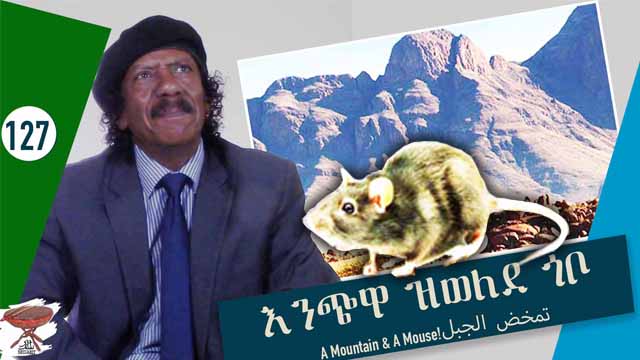
Ramadan Kareem. This is a special month, and it brings memories though most of my childhood I lived under curfew. Someday I will tell you about characters I associate with Ramadan—Amm Bekhetiay Mohammed Drar Hella, Saleh Ewaale and others. But for toady a simple wish will do; Ramadan Kareem. In addition, I am wishing the…
-
ERITREA: WHAT IN A NAME
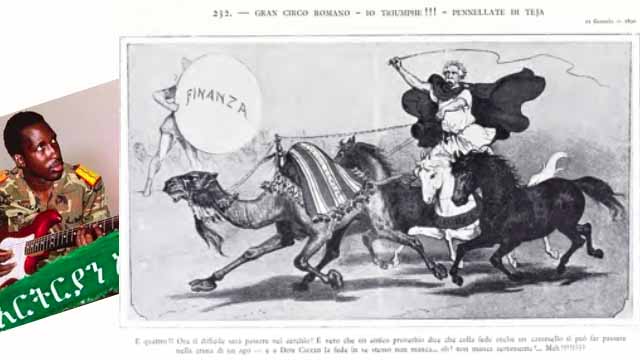
A self-contemplation that was circulating for some-time in my head was brought to surface when the curious touche-à-tout Saleh Gadi Johar humorously discussed the origin of the name Eritrea in his Negarit No 123 entitled “Eritrea and Eretria”.1 Where did the name come from? And who coined it? Johar did his own research. He was…
-
Eritrean Insiders and Outsiders!
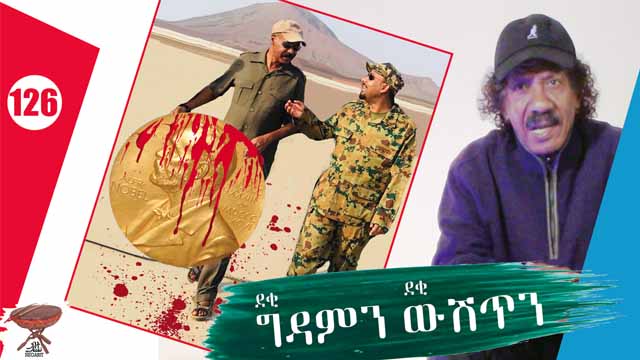
“I and my siblings against my cousin, I and my cousins against a stranger.” An old Arab clannish saying. The above saying doesn’t promote a principled support of what is right and rejecting what’s wrong but reinforces clannish mentality. It is good to support your relatives provided it is to convince them to cease their…
-
ህሉው ኩነታት ሃገርና ብመንጽር ከባቢናን ዓለምን
I. ሹኩሹካን ስልታዊ ምንስሓብ ስርዓት ኢሳያስን ኣብ ‘ዚ ዘሎናዮ ፈታኒ እዋን፡ ህዝቢ ኤርትራ ኣብ ክንዲ ህድእ ኢሉ ኣስተውዒሉ ኣብ ‘ቶም ሕመረት ሕሰሙን መከርኡን ዝኾኑ ጉዳያት ኣቶኪሩ ክቃለስ ዝፍትን፡ ነቶም ቀንዲ ሕመረታትን ጠንቅታትን ረሲዑ፡ በቶም እናሻዕ ዝቕልቀሉ ፍጻሜታት እናተገፍዔ፡ መኣዝኑ ስሒቱ ኣብ ‘ቶም ሕሰሙን መከራኡን ዝፈጠርዎም ሳዕቤናት ኣድሂቡ ኮለል ክብልን ኣብ ዘየድልዮ ናይ ሹኩሹካ መንገዲ ኣትዩ…
-
Eritrea: A Victim of Modern Necropolitics
“My job is making windows where there were once walls” [Michel Foucault] Introduction In search of an integrative discourse for the Eritrean politics, within the dynamic setting of the international system in motion, this author will try to examine the Eritrean regime and the pattern of its politics in a different approach than the traditional…
-

Negarit 125: The Testimony of Massawa
ባጽዕ ትመስክር – The Testimony of Massawa – فلتشهد مصوع Colonizers and occupiers of a country influence its people and impose new ideas and languages. The Italian colonization didn’t only introduce Spaghetti to the people but also tomatoes which has now become an integral part of Eritrean cousin in the Eritrean highlands. South of the…