


Category: Articles
-

The Dead Now Require Airplane Tickets
A Tigrayit song, exile, and the geography of remembrance. The song found me on an ordinary evening. Outside my apartment window, traffic moved through the city in long ribbons of light. Somewhere below, a siren sounded and disappeared. Tomorrow will be another workday. I would return to my carefully constructed routines. Nothing about the evening suggested…
-

How the Pledged Public Works
A Second Explanation for Readers Who Want the Mechanism, Not Just the Idea The public is not the audience of politics. It is the author of the conditions under which politics becomes legitimate.— From The Pledged Public I. Why Another Explanation Is Needed Since the publication of “The Pledged Public,” I have received a consistent…
-

The Pledged Public: Toward an answer to “The Grammar of Promise”
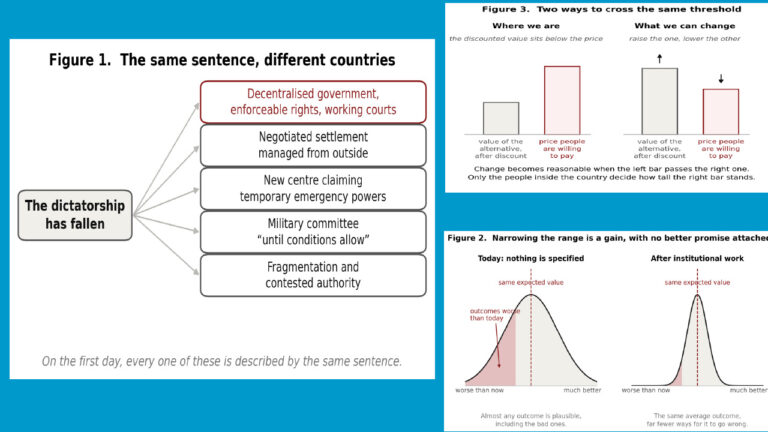
“The problem is not to find the best ruler. The problem is to make it impossible for a ruler, however well-intentioned, to do unlimited harm.” — Karl Popper, The Open Society and Its Enemies Summary This essay continues the argument of “The Grammar of Promise,” which showed that Eritrean political culture organizes legitimacy around sacrifice…
-

The Grammar of Promise: How Eritrean Political Thought Became Trapped Inside Its Own Logic
“The most dangerous moment for a bad government is when it begins to reform.” – Alexis de Tocqueville Summary Eritrean political life, spanning both the ruling party and the opposition, is organized around a shared underlying logic: that sacrifice generates the right to govern, and that those who fail to honor that sacrifice must be…
-

ተጋዳላይ ከመዓልካ (ዶ-በረኸት ሃብተስላሴ)
ተጋዳላይ ከመዓልካ ጅግና ተጋዳላይ ሰላም ዶ ክብለካ? መንፈሰይ ይሕደስ ወርትግ ክሓስበካ ናይ ሓርነት ጸዳል ዘብርህ ግንባርካ ኣኽራን ዝቐስቀሰ ሰውራዊ እምነትካ። * ጥውይዋይ ነይሩ መንገዲ ሂወትካ ድኻምን መከራን ናይ ዕለት ቀለብካ ኣቦታት ከም ዝብሉ “ክሳዕ ዝደልወካ ትነብር ናይ ግድን ዓንዴል ተሓቒፍካ” * ዓለም ከይፈለጦ ናይ ናብራኻ ኩነት ኣብ ርእስኻ ዘሎ ከቢድ ሓላፍነት ኣኽሊል እሾኽ ዳንዴር ናይ…
-

Eritrea’s Ghost Bureaucracy
1. Hidden Bias Eritrean political life is often narrated through the familiar vocabulary of dictatorship, militarization, and repression, as though the visible machinery of authoritarianism alone explains the daily injustices citizens endure. Yet the lived reality of Eritreans is shaped far more intimately by a quieter and more pervasive force that rarely enters the national…
-

Teklay vs. Hamid Idris Awate
In a YouTube video billed as a “chat with the wise among us,” Teklay and Hamid Idris Awate engaged in an hour-long conversation. Despite Teklay’s insistence that this was not an interview but merely a chat, it followed the familiar interview format: Teklay asked; Awate answered. The themes included the honor of remaining friends with…
-

Whose Face Is on the Wall?
Author’s note: In this piece, I’m more interested in the subtle visual habits that quietly reorganize authority and erase local presence without making a spectacle of it. Sometimes the most revealing thing isn’t the portrait you find, but the absence it creates around everything else. Consider this a small observation about walls that points to…
-

A Monumental Account of Eritrea’s Torment and Struggle
Eritrea’s 135-Year Journey: Perspectives and Insights from My Selected Articles by Woldeyesus Ammar is an unparalleled historical/political collection about the winding journey of Eritrea, spanning more than a century of historic odyssey—from Italian colonisation in 1890 to today under domestic authoritarian rule. In a carefully chosen collection of writings spanning over five decades, Ammar presents…
-

Sharpening the Pen to Defend Eritrea When the War Ignites.
The tensions, the constant beating of war drums, the tragic news of Eritreans drowning at sea, and the social media posts announcing those who have gone missing while crossing borders have all been weighing heavily on Eritreans. But above all, the rising drumbeat of a new war between Eritrea and Ethiopia is making people anxious.…
-

The Cycle of Blame: Why Tigray Can’t Learn from the War
Author’s Note This essay examines a recurring pattern in Tigray’s post-war political culture: the public’s tendency to celebrate leaders during moments of triumph and condemn them during moments of failure, while rarely acknowledging its own role in shaping those outcomes. Using the popular Tigrinya-language sitcom Gere Emun (“Gere the Trustworthy”) as an entry point, it…
-

Conditions Required for Trust-Building Efforts
The state of our youth today reminds me of a play I came across during my time as a student: Look Back in Anger, by British writer John Osborne, which premiered in London in 1956. To give a general overview of this play, it is considered one of the most prominent works that launched the…
-

Reflection on the North Star
Editor’s note: the byline data is corrupted; so far we couldn’t resolve the technical problem. The writer of this article is Semere Andom (iSem). Last week, I had the privilege of joining a group of friends to read and reflect on Mekonen Tesfay’s book The North Star: The Biography of Dr. Fitsum. Here is the…
-

Refugees Speak Back: Unsettling Exile and Home
In 2007, the Red Sea Press published Sadia Hassanen’s Repatriation, Integration, or Resettlement? The Dilemmas of Migration among Eritrean Refugees in Eastern Sudan. Based on her doctoral dissertation, the book quickly became one of the most important studies of Eritrean refugees in Kassala and surrounding camps. It asked a simple yet unsettling question: what or where…