

The Day After: Preparing Eritrea for its Most Dangerous Transition
There comes a moment in the life of every nation when denial becomes a luxury it can no longer afford.
OUR NATIONAL UNITY: Why Eritrea’s Political Imagination Fails Reality
I. The Illusion We Keep Rehearsing In recent weeks, I have been reading a series of essays on awate.com –

Endless Cycle Splits, Mergers, and Rebranding in the Eritrean Opposition
Fragmentation Without Disappearance: The Endless Cycle of Splits, Mergers, and Rebranding in the Eritrean Opposition In the middle of last
The Limits of Rupture, the Promise of Reform: Rethinking Eritrea’s Transition
When a nation emerges from prolonged authoritarian rule, it eventually confronts a foundational question: do we discard everything associated with

The Forgotten Blueprint: How Eritrea’s 2001 Party Proclamation Could Rebuild a Nation
Eritrea’s political crisis did not emerge from a vacuum. It is the cumulative product of abandoned institutions, unimplemented laws, and
Habrengaqa: The Forgotten Line That Almost Divided Eritrea
Many Eritreans do not know the village of Habrengaqa, halfway on the Keren–Asmara road, at the top of the escarpment—a
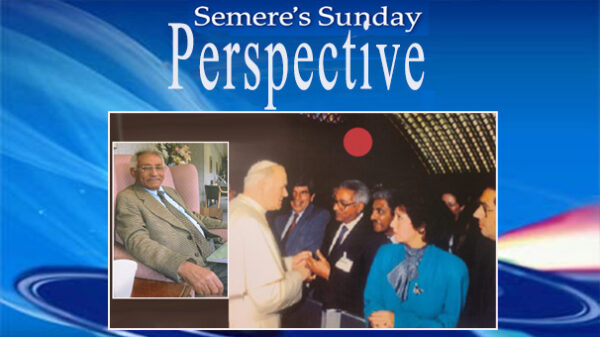
The Unsung Heroes of Our National Unity
There is a Tigrinya saying I learned from my mother: “One who does not do small deeds should not dream
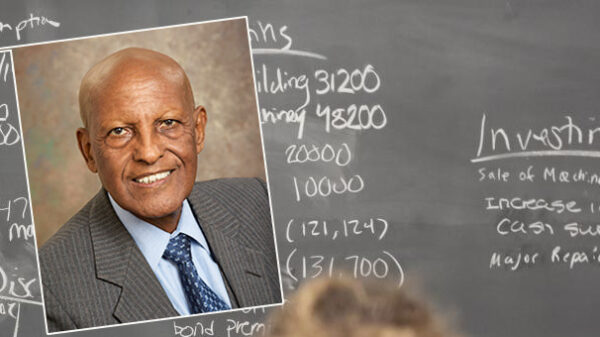
Perspectives on Effective Teaching: 38 Lessons Learned
Perspectives on Effective Teaching: 38 Lessons Learned from 50 Years on the Job Professor Emeritus Araya Debessay 1 University of

The Normalization of Self-Censorship in Eritrea
When self-censorship becomes pervasive, a society forfeits more than the right to open dissent; it forfeits the very conditions that
Power Needs Compliance
Every power structure requires obedience to survive. Intelligent people question authority; obedient people preserve it.
National Unity Cannot Be Rebuilt One Community at a Time
Eritreans everywhere recognize the same painful truth: our nation is in deep crisis. Political paralysis, social fragmentation, and the mass
Lies Define The PFDJ
Most of the materials for this 5-part mini-series are compiled from awate.com, primarily the detailed first-hand testimony contained in Gebremedhin
Trust Over Terror: Unity Built on a Minimum Agenda
Accra, Ghana. The very air here reminds me of what could have been for Eritrea. In the early 1990s, two
The Eritrean Opposition Must Renounce Violence — Or Remain Irrelevant
The Eritrean opposition in the diaspora faces a credibility crisis so deep that it has become politically paralyzed by it.
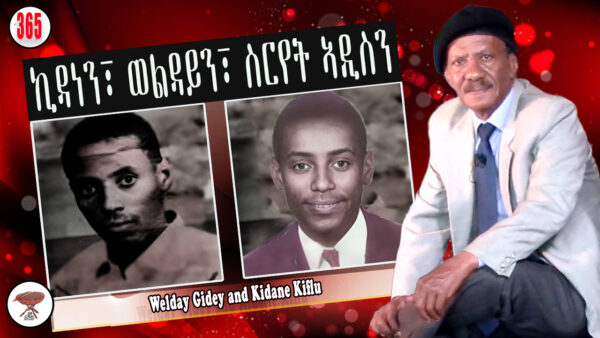
Kidane Kiflu, Welday Gidey, and Serryet Addis
"Painting white over the black spots of history does not erase them; it only turns them into shades of grey"
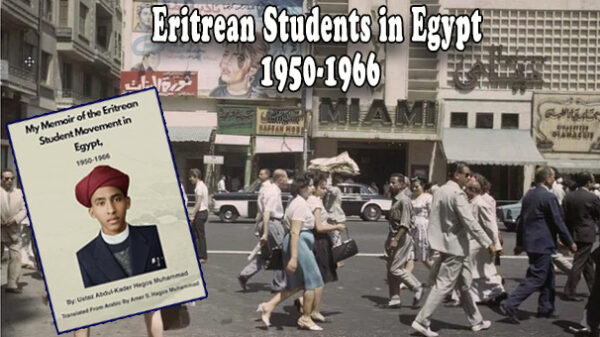
Book Review: Memoir of the Eritrean Student Movement in Egypt (1950–66)
In My Memoir of the Eritrean Student Movement in Egypt, 1950–1966, Abdul Kader Hagos Muhammad offers more than a mere
What Has Unity Got to Do with Age?
Across Eritrean political discourse—especially within the diaspora—one argument has gathered unmistakable momentum: that leadership of the opposition, and indeed leadership

Nehnan Elamanan: The Mother of the PFDJ
Isaias Afwerki’s Nehnan Elamanan manifesto transformed internal grievances into ideological justification for political separation and eventual monopoly power.

The Birth of the Mysterious Document
For a long time before Nehnan Elamanan was openly distributed, Isaias and his group were clandestinely circulating parts of it

Awate Forum