
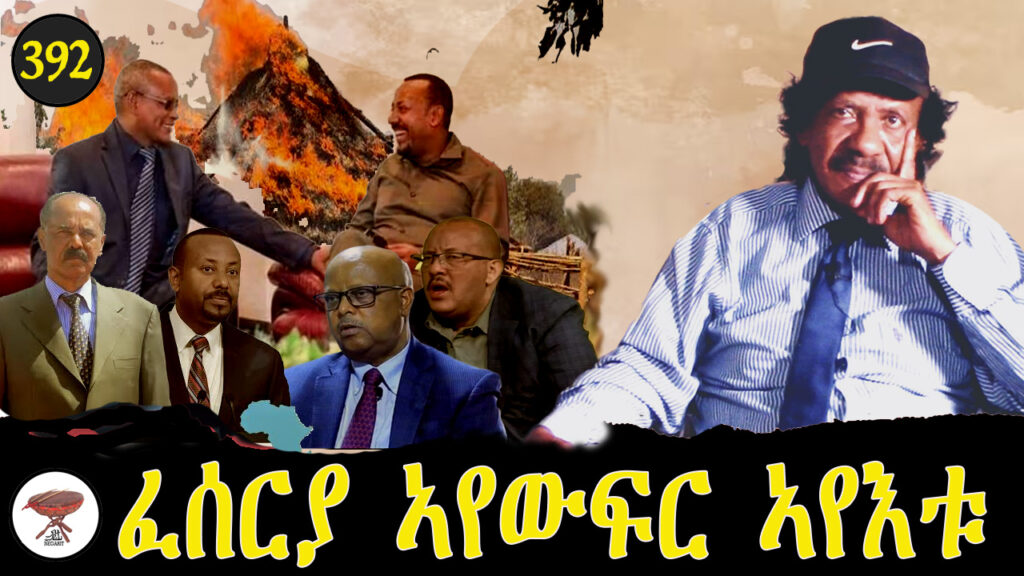
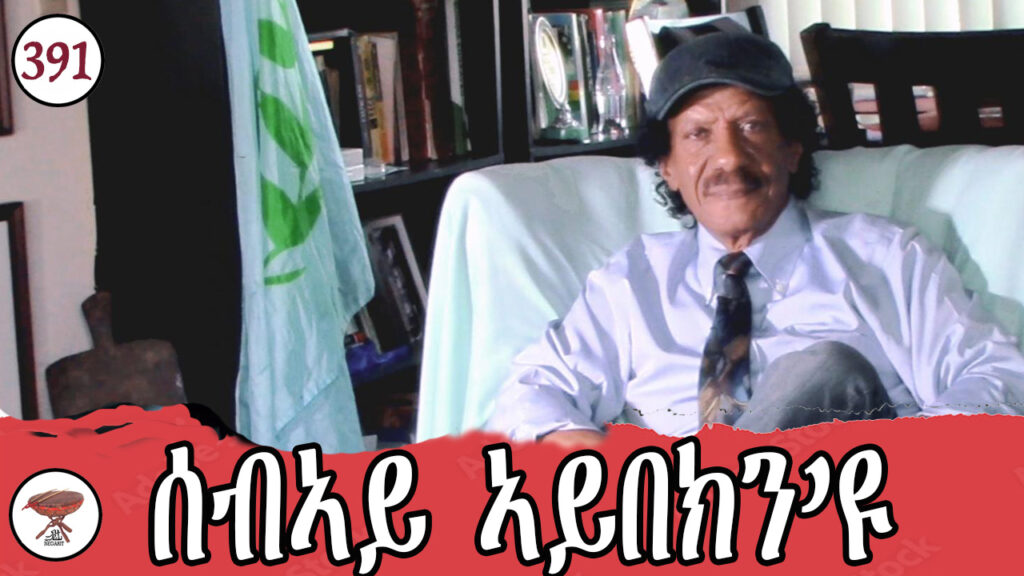

Teklenkiel Gebru: The Patriot Eritrea Needed — and Still Needs
A compelling profile of Teklenkiel Gebru (Wedi Gebru), the principled Eritrean patriot whose integrity, courage, and unwavering commitment…
Semere T Habtemariam15 min read

Nothing here yet.
Saleh G. Johar5 min read
A deep, reflective conclusion to the Wedi Gebru trilogy, exploring his post‑independence art, his principled patriotism, and his fearless critique of inequality, corruption, and national stagnation in Eritrea.
Semere T Habtemariam17 min read
I can’t remember the captivating open deserts of Barka without remembering Jahray. The morning star was our natural GPS, bright and predictable, appearing in the sky for months before disappearing and leaving…
Saleh "Gadi" Johar6 min read
“Many Eritreans have nothing to do with it and do not celebrate. They will when the prisoners the government incarcerated decades ago are free.”
Saleh "Gadi" Johar9 min read
This essay explores the idea of a prepared and pledged public: a public that understands its power, accepts responsibility, and is prepared to act rather than simply be acted upon.
Dr. Filmon Wolde22 min read
A compelling profile of Teklenkiel Gebru (Wedi Gebru), the principled Eritrean patriot whose integrity, courage, and unwavering commitment…
Semere T Habtemariam15 min read
I. Twenty‑Five Years After September 18, 2001A Reform Movement Unlike Any Other The G‑15’s emergence less than ten…
Semere T Habtemariam11 min read
History does not simply move forward; it circles, it spirals, it returns to its own wounds until the…
Younis Omer8 min read
On July 25, 2025, after a long hiatus, I published my first column at Awate.com under the simple…
Semere T Habtemariam30 min read
Asmara July 27, 2026 — The mysterious murder of Mrs. Setoum Mousa Naib, the widow of the late…
Gedab News4 min read
Abstract This study critically examines the current trajectory and mission of the Eritrean opposition, arguing that its original…
Dr. Abdulrazig Kerar16 min read
Inspired by a Sufi parable and Dante's imagery of flickering flames, this episode examines the meaning of sacrifice…
Saleh "Gadi" Johar6 min read
Disparate notes on the long and short history of Eritrea Introduction: A great deal is being said and…
Tekeste Negash (Prof)37 min read
Eritrea's latest directive orders citizens and businesses to deposit cash into banks by July 31 or face legal…
Saleh "Gadi" Johar4 min read
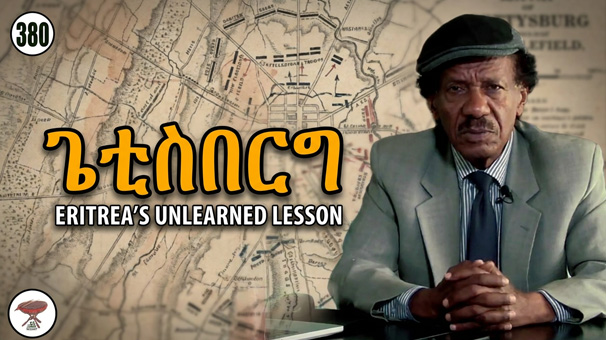
What separates genuine leadership from the exploitation of sacrifice? Using Abraham Lincoln's Gettysburg Address as a historical reference…
Saleh "Gadi" Johar7 min read
Abstract: This essay examines how the Eritrean state converted the moral authority of the armed struggle into a…
Dr. Filmon Wolde8 min read
A compelling call for a new political imagination in Eritrea, outlining how the opposition can overcome fragmentation through…
Semere T Habtemariam8 min read
For decades we have appealed for national unity, peaceful coexistence, and rational public discourse. Yet fanaticism, intolerance, and…
Saleh "Gadi" Johar5 min read
A sharp, uncompromising critique of Eritrea’s 35th anniversary narrative, exposing the regime’s empty propaganda, extractive elite, and decades…
Semere T Habtemariam8 min read
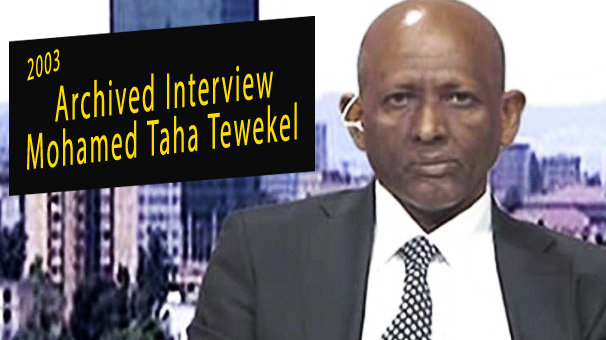
Introduction The following interview with Mohamed Taha Tewekel was originally published by Awate.com on Sep 12, 2003, at…
Saleh "Gadi" Johar45 min read